
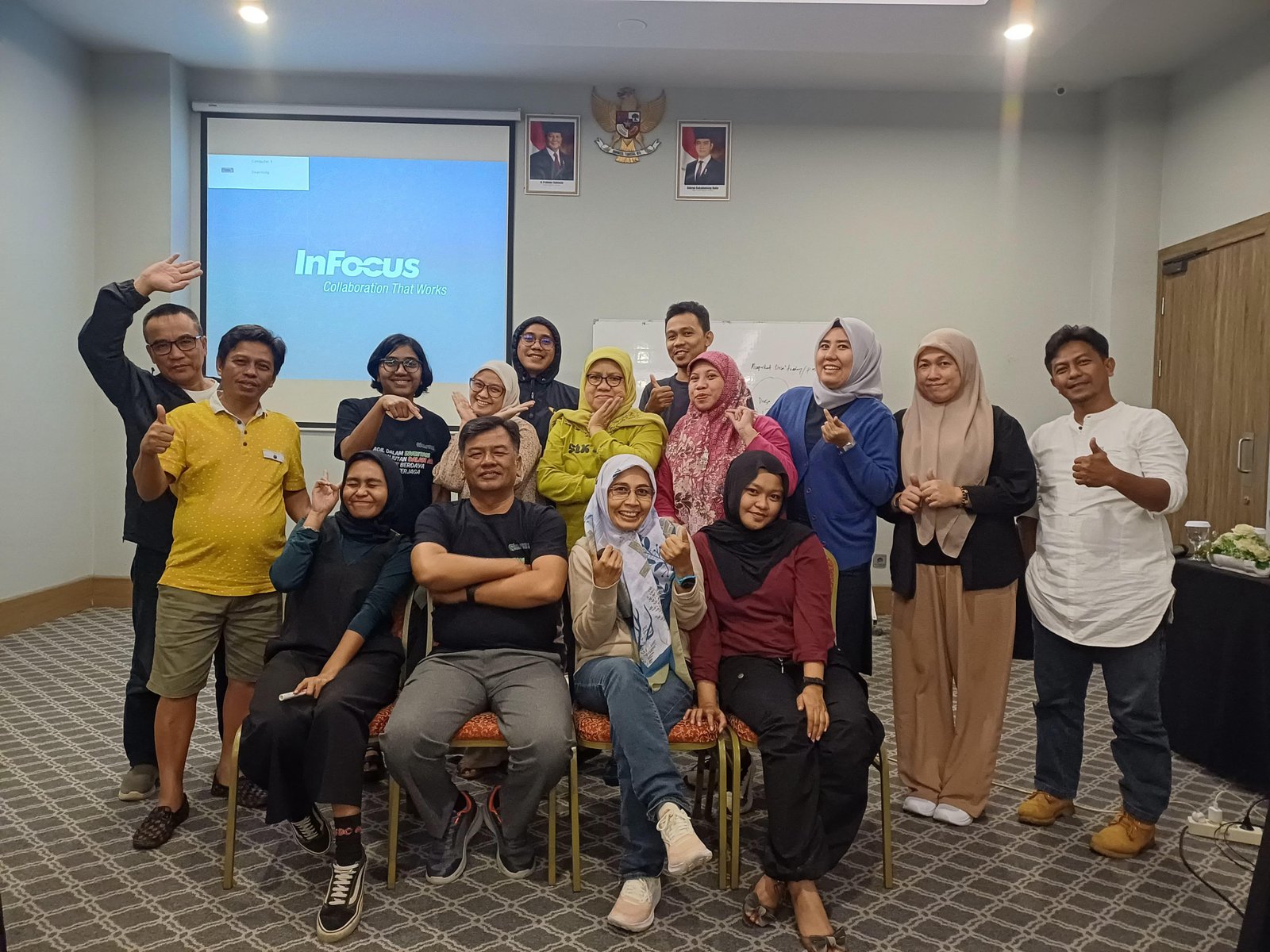
Opened by Fitria Nur Indah Djafar from Komunitas Teras, this workshop aimed to provide in-depth knowledge of proper and effective proposal writing techniques, enhance participants' capacity to design community development and advocacy programs relevant to local conditions and needs, and build collaborative networks among participants.
The sessions unfolded intensively, beginning with a presentation by the facilitator, who examined the essence of program design and planning. The facilitator emphasized the importance of technical preparation in proposal writing, as well as how to facilitate strategic planning processes. More than just a formal exercise, the workshop also served as an opportunity for participants to get to know one another and build rapport, with the hope of generating fresh ideas and fostering strong collaborations.
In the core session, participants explored techniques for developing compelling proposals, starting with an initial analysis that involved clarifying the problem as a basic strategy. Oslan reminded participants that proposals often fail because they do not adequately identify the problem and lack direct engagement with the issues being addressed.
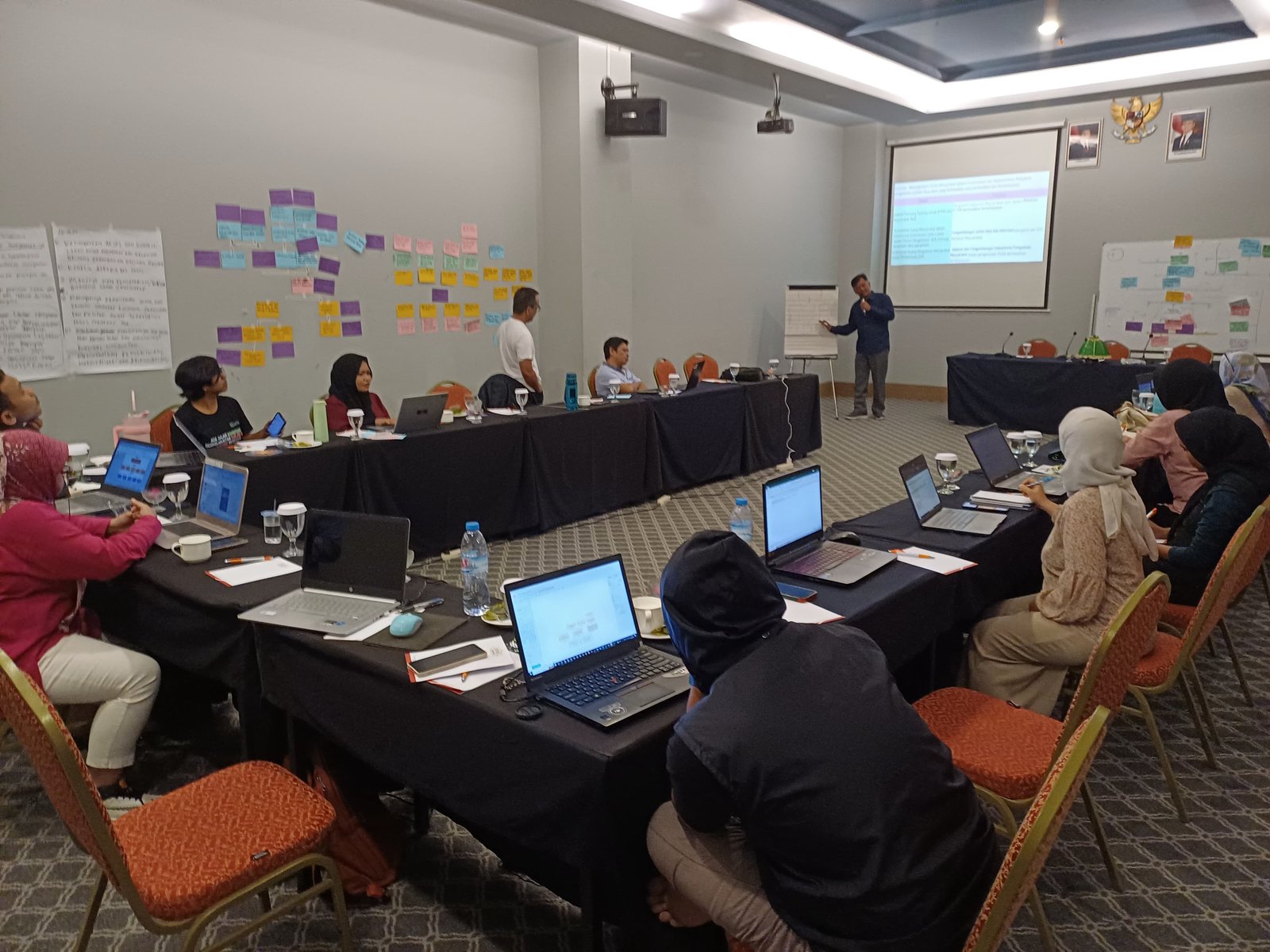
The workshop also highlighted the importance of strong references, including both data and theoretical foundations. Participants were encouraged to incorporate clear paradigms and ideologies into their program designs to establish a strong position for their proposals and avoid superficial approaches. Social analysis and concrete data were identified as key elements in developing effective proposals.
The most challenging session involved guiding participants through an in-depth problem identification process. They were divided into three groups, each focusing on inclusive community management, policy, and strengthening community resilience against the threats posed by industrial expansion. Using the problem tree method, participants formulated problem statements, analyzed root causes, and identified potential impacts if the problems remained unaddressed.
This workshop was more than just a training session; it also provided a platform for sharing experiences, engaging in discussions, and formulating more effective advocacy strategies. Following the workshop, participants are expected to be able to develop proposals that not only secure funding but also drive meaningful change, particularly in Southeast Sulawesi.